Source Runner Carpet for Home, Hotel, and Commercial Use
Find 30 runner carpet options tailored for home, hotel, and commercial spaces. Compare features like anti-slip backing, tufted or hand-made techniques, and custom sizes to select the ideal floor covering for your project needs; compare the available evidence and request quotations based on your requirements.
Key considerations
Products List


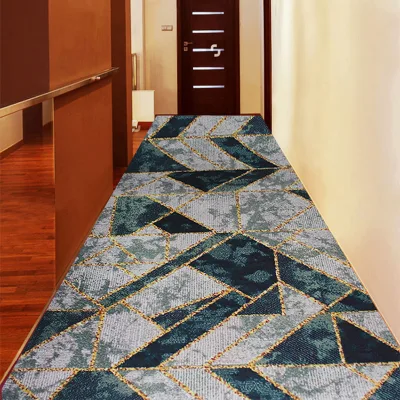


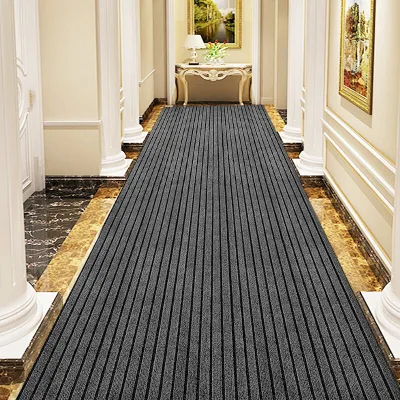


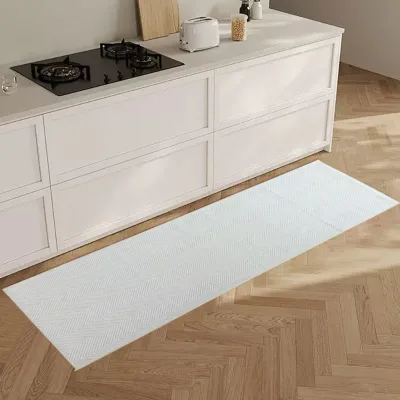

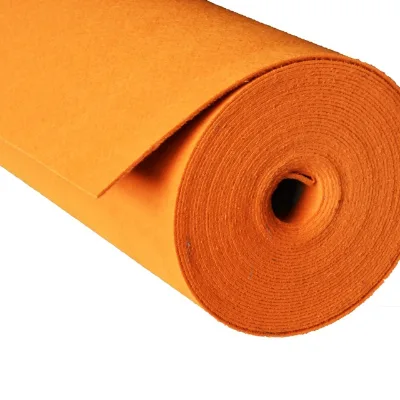




Comprehensive Sourcing Guide
Runner Carpet Sourcing Guide
Procurement teams must first distinguish between tufted and hand-made runner carpets, as the supplied data indicates distinct manufacturing techniques like tufting and hand embroidery that directly impact durability and aesthetic value. Buyers should verify whether the product form is a standard rug or a specialized corridor runner, noting that observed listings include specific dimensions such as 0.9m by 15m suitable for hallways. Understanding these physical distinctions is critical before engaging suppliers, as the intended application in hotels or commercial spaces dictates the required pile height and backing type.
The observed market signals reveal a wide range of customization options, including any shape, size, and design requests, which suggests a flexible supply chain capable of bespoke orders. However, buyers must carefully review the listed material composition, as the data shows both wool and chemical fiber options like polyester, each offering different performance characteristics regarding stain resistance and softness. This variation requires a clear definition of the project's aesthetic and functional needs to ensure the selected runner carpet aligns with the specific traffic patterns and design themes of the installation site.
Product Scope and Observed Listing Signals
Buyers should analyze the observed product attributes to confirm that the runner carpets meet the specific usage requirements for home, commercial, hotel, or prayer areas. The data highlights features such as anti-slip properties and corrosion resistance, which are essential for high-traffic corridors where safety and longevity are paramount. It is vital to cross-reference these features with the actual product form, ensuring that the listed anti-bacteria and wrinkle-resistant claims match the intended environment, particularly in hospitality settings where hygiene standards are strict.
The supply signals indicate a strong capacity for customization, with suppliers offering any design, size, and shape to fit unique architectural constraints. However, the presence of specific model numbers like 628, 790, and 637 alongside general descriptions suggests that buyers must verify if these are standard SKUs or custom codes for specific orders. Procurement teams should request samples that explicitly demonstrate the cut pile or loop pile texture, as the listed options include both, to ensure the tactile quality matches the visual design expectations for the final installation.
Technical Specifications to Verify
Technical due diligence requires confirming the exact thickness of the runner carpet, as the data presents varying measurements including 15mm, 13mm, and 4.5mm depending on the specific model and material composition. Buyers must determine the appropriate pile height for their application, noting that thicker options may offer superior comfort while thinner profiles might be necessary for doorways or specific flooring transitions. Verifying the single package size and gross weight, such as the 90x30x30 cm carton dimensions and 12kg weight, is also essential for calculating shipping costs and storage requirements in the destination warehouse.
The backing material and surface composition are critical technical factors that influence the carpet's performance and installation method. The supplied facts mention dot backing and polyester surface materials, which affect the carpet's stability and resistance to moisture or wear. Procurement teams should explicitly request technical data sheets that confirm the backing type and surface material for each order, ensuring that the chemical fiber or wool content meets the fire safety and durability standards required for the specific building code of the installation location.
Compliance and Safety Documentation
Safety compliance is a primary concern when sourcing carpets for commercial and hotel environments, where fire ratings and chemical emissions are strictly regulated. Buyers must verify that the supplier can provide documentation confirming the carpet meets local fire safety standards, especially given the observed usage in hotels and prayer areas where crowd density is high. While the data mentions eco-friendly and washable attributes, these terms do not automatically equate to certified fire resistance, so explicit proof of compliance with regional safety regulations is mandatory before finalizing any purchase.
Hygiene and maintenance standards are equally important, particularly for products intended for high-traffic commercial spaces or prayer areas where cleanliness is paramount. The observed cleaning instructions suggest hand washing, which may not be practical for large commercial installations, so buyers should clarify if machine-washable or professional cleaning protocols are available for the specific model. Ensuring that the anti-bacteria and anti-slip features are backed by independent test results will provide the necessary assurance that the product maintains safety and hygiene standards over its intended lifespan.
Cost Drivers and Commercial Terms
Commercial terms are heavily influenced by the minimum order quantity and the extent of customization required, as the data shows an MOQ range from 1 to 2000 units and a specific listing of 15 square meters for certain items. Buyers must negotiate pricing based on the total square meterage and the complexity of the custom design, as bespoke shapes and sizes often incur higher production costs compared to standard rectangular models. Understanding the supply ability of 1,000,000 square meters per month helps in planning large-scale projects, but lead times may vary significantly depending on the specific model number and customization level.
Packaging and logistics costs are significant variables that depend on the single package size and the port of dispatch, which is listed as Ningbo in the provided facts. Buyers should calculate the total landed cost by factoring in the gross weight of 12kg per package and the carton dimensions, as these affect container loading efficiency and freight charges. Additionally, the use of PP bags or cartons for packing must be confirmed to ensure the product arrives without damage, and any additional protective measures required for long-distance shipping should be included in the commercial agreement.
Supplier Qualification and Quality Control
Supplier qualification should focus on verifying the production origin and the specific manufacturing techniques used, such as machine-made versus hand-made processes, which are explicitly listed in the data. Buyers must confirm that the supplier in Guangdong, China, has the capacity to maintain consistent quality across different model numbers like ZL10, 697, and 699, ensuring that the hand-embroidered or tufted details meet the agreed-upon specifications. Requesting a factory audit or video verification of the production line can provide assurance that the claimed techniques and materials are accurately applied during the manufacturing process.
Quality control protocols must address the consistency of the product form and the durability of the anti-slip and anti-bacteria features. Buyers should implement a pre-shipment inspection plan that checks for defects in the cut pile or loop pile texture and verifies the thickness and backing integrity against the provided specifications. Establishing a clear acceptance criteria for the custom design and size is crucial, as the ability to produce any shape or size requires robust quality checks to prevent errors in the final product that could lead to installation failures or customer dissatisfaction.
Long-Term Procurement Checks
Long-term procurement success depends on establishing a reliable relationship with suppliers who can consistently deliver on customization requests and maintain product quality over time. Buyers should monitor the supplier's ability to meet the supply ability of 1,000,000 square meters per month during peak demand periods, ensuring that lead times remain stable even when order volumes increase. Regular communication regarding updates in material availability, such as wool or polyester, will help in planning future orders and avoiding disruptions in the supply chain for ongoing projects.
Continuous performance monitoring is essential to ensure that the runner carpets continue to meet the safety and aesthetic standards required for their specific applications. Buyers should track the performance of the installed products in terms of wear resistance, color fastness, and the effectiveness of the anti-slip features over time. Establishing a feedback loop with the end-users in hotels or commercial spaces will provide valuable insights into any potential issues, allowing for proactive adjustments in future procurement strategies and supplier selection.
FAQs
What customization options are available for runner carpets?
Customization is available for runner carpets, allowing buyers to specify any design, size, and shape to fit their specific needs. The product form is typically rugs, and the technics can be tufted or hand-made. This flexibility ensures that the final product aligns perfectly with the intended decoration or commercial application requirements.
What materials are used to make these runner carpets?
These runner carpets are primarily made from wool and chemical fiber. Some variants feature a polyester surface material with a dot backing for stability. The choice of material influences the texture, which can be cut pile or loop pile, ensuring durability and comfort for various usage scenarios including home, hotel, and prayer areas.
Can runner carpets be used in commercial and hotel settings?
Yes, runner carpets are suitable for home, decoration, commercial, hotel, and prayer usage. They feature anti-slip properties and are designed for floor installation. The modern design and available customization options make them ideal for high-traffic areas, providing both aesthetic appeal and functional safety for diverse environments and interior design schemes.
What are the standard specifications for thickness and size?
Standard specifications include thicknesses of 15mm, 13mm, and 4.5mm depending on the model. The standard size is 200*300cm, but customized sizes are available. Some corridor-specific models may have dimensions like 0.9m*15m. Buyers can request any size and shape to ensure the carpet fits their specific spatial requirements perfectly.
How should runner carpets be cleaned and maintained?
Runner carpets require hand wash for cleaning and maintenance to preserve their quality. They are described as eco-friendly and washable, which simplifies upkeep. Regular hand washing helps maintain the anti-bacteria and wrinkle-resistant features, ensuring the carpet remains hygienic and visually appealing for extended periods in both residential and commercial applications.
What is the minimum order quantity for these carpets?
The minimum order quantity is 15 square meters for some variants, while other listings indicate an MOQ range of 1-2000 units. This flexibility allows buyers to place orders suitable for their scale, whether for small home projects or large commercial installations. The supply ability is high, supporting large monthly orders effectively.